
The action-adventure genre is a broad label for games that combine elements from adventure and action genres. Common features include an inventory system, puzzle-solving, action-focused challenges, and story elements reliant on the player's progress. These games are often focused on player immersion and choice. Games with "open world" settings encourage players to explore and experience the game's narrative at their own pace.
 Ghost of Yotei
 Death Stranding 2: On the Beach
 Another Crab's Treasure
 Star Wars: Jedi Survivor
 Legend of Zelda: Echoes of Wisdom
 God of War: Ragnarok
 Red Dead Redemption II
 Clair Obscur: Expedition 33
 The Legend of Zelda: Tears of the Kingdom
 Baldur's Gate 3
 Elden Ring: Shadow of the Erdtree Edition
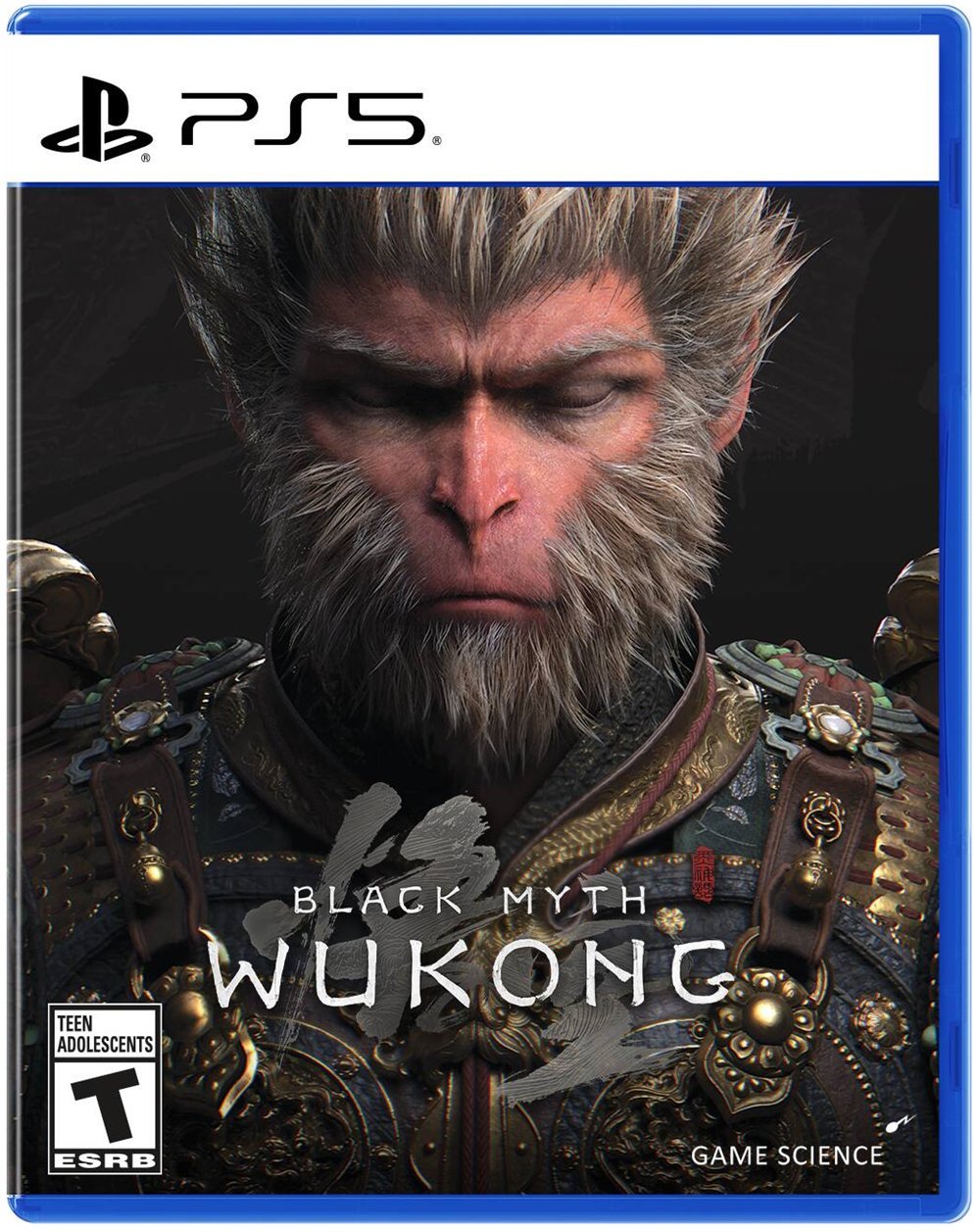 Black Myth Wukong
 Assassin's Creed: Shadows
 Dragon's Dogma 2
 Dragon Age: The Veilguard
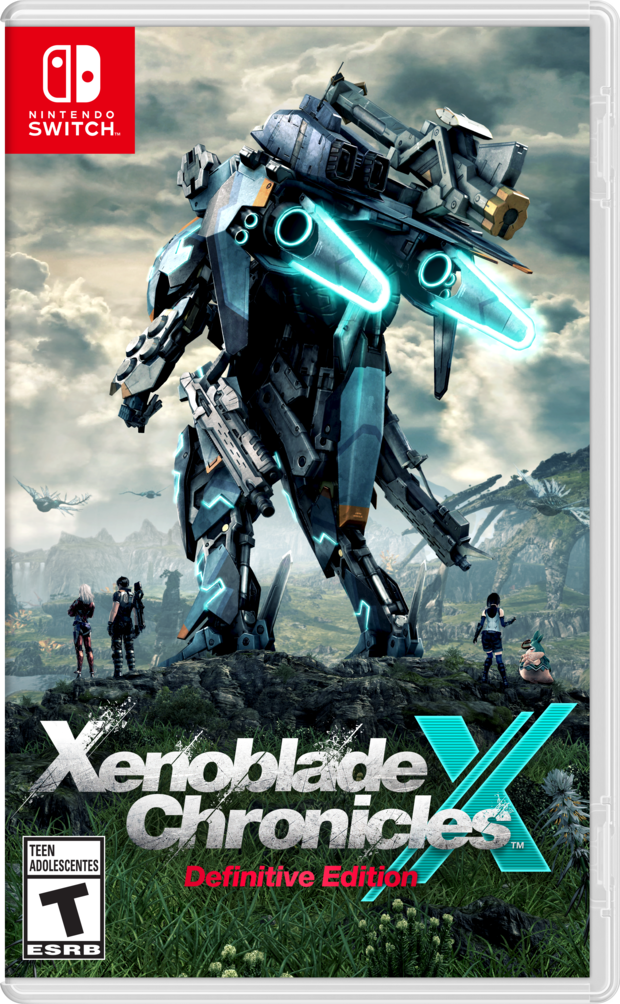 Xenoblade Chronicles X: Definitive Edition
 Lies of P
 Like a Dragon: Infinite Wealth
 Hogwarts Legacy
 The Elder Scrolls V: Skyrim
 Horizon: Zero Dawn
Metroidvania is a portmanteau of Metroid and Castlevania, the two series that established the genre's core elements of gated exploration and non-linearity. These platforming games are set in a single interconnected map with locked areas, requiring a specific item or ability to move forward. Players travel across the map multiple times, frequently backtracking in order to progress.
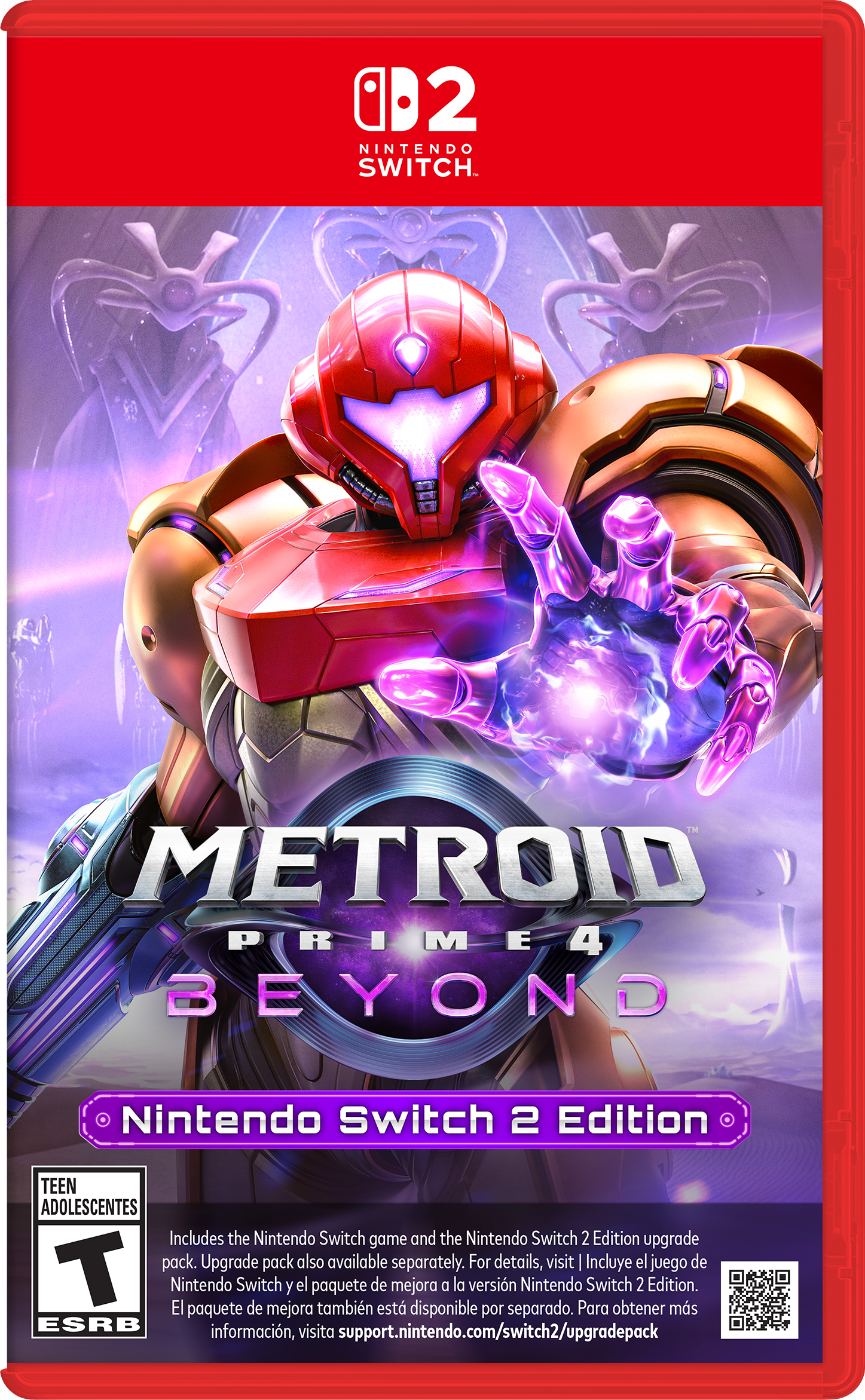 Metroid Prime 4: Beyond
 Dead Cells
 Ultros
 Ori and the Will of the Wisps
 Metroid Dread
 Bloodstained: Ritual of the Night
Rogue-like (or rogue-lite) is a high-difficulty dungeon crawl with hack-and-slash combat and looped gameplay. Since levels are procedurally generated, each loop is a unique experience. Where rogue-likes and rogue-lites deviate is the death mechanic. Like their namesake Rogue, rogue-likes have permadeath, where each death results in a complete reset. Rogue-lites focus on carryover between runs, with the player slowly accumulating more abilities with each death.
 Hades
Hades
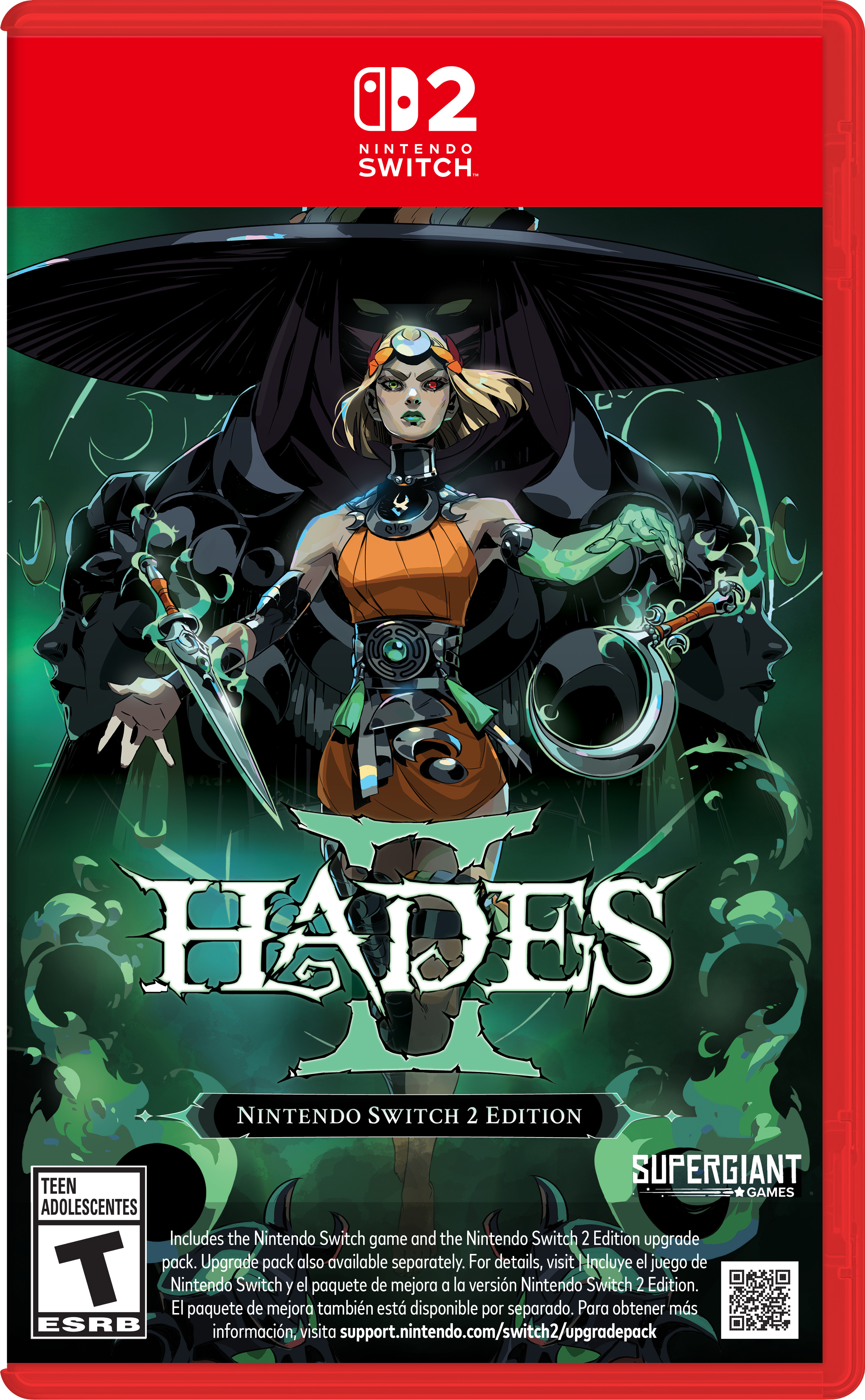 Hades II
 Shiren the Wanderer: The Mystery Dungeon of Serpentcoil Island
 Ravenswatch
 Crypt of the Necrodancer
 Slay the Spire