
Visual novels (or VNs) focus on a text-driven narrative with minimal gameplay. The majority of player interaction is limited to clicking to move the text and graphics-- similar to turning the page of a book. Many visual novels have multiple storylines with more than one ending, allowing players to make decisions that affect the narrative. The different endings are usually categorized as normal, good, bad, or "true."
The classic linear VN offers a story with no choices and no additional gameplay. Players only need to advance through the game’s dialogue and read the story.
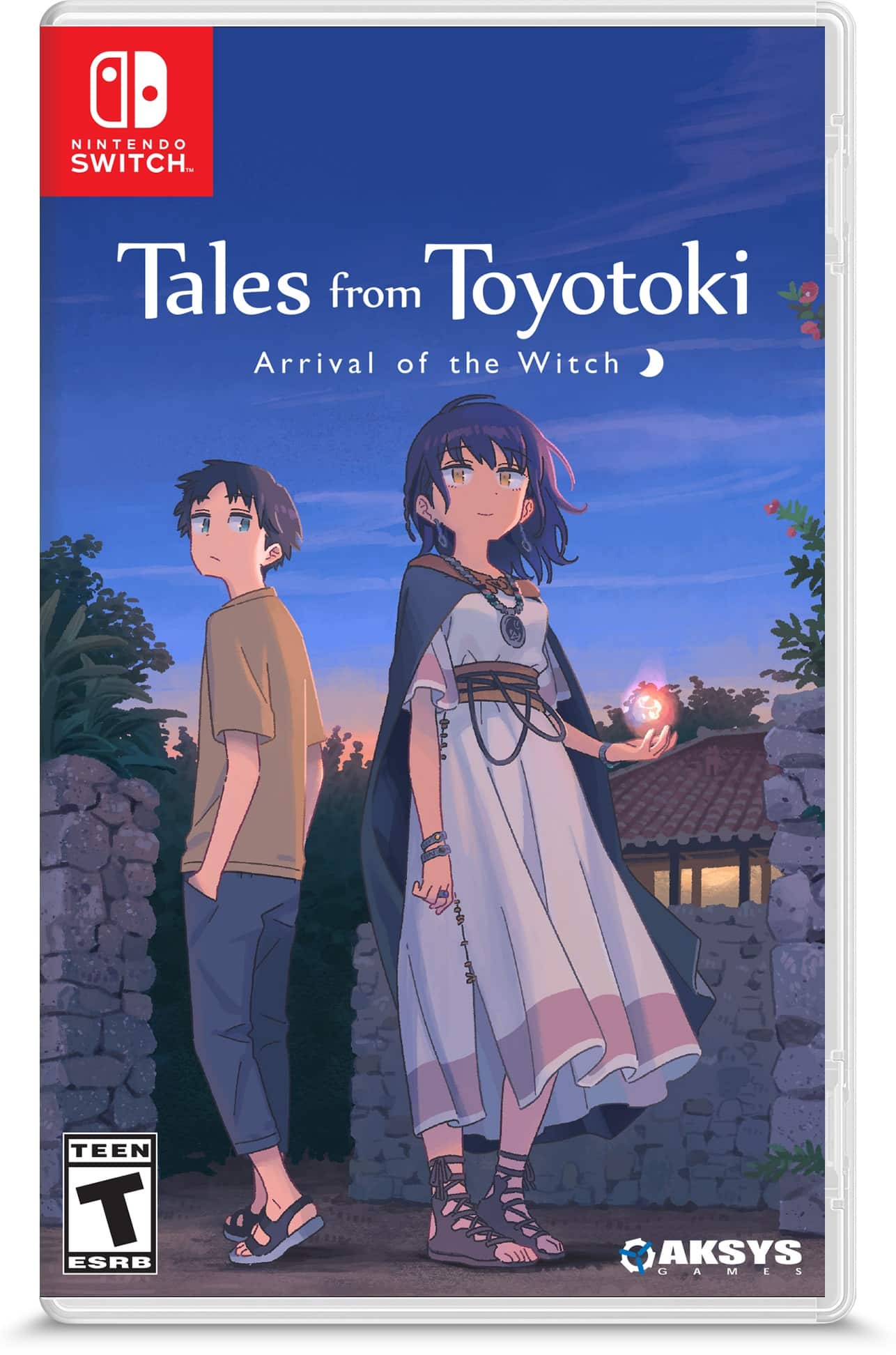 Tales from Toyotoki: Arrival of the Witch
Horror VNs are first-person horror adventures, typically focused on psychological horror themes. Players make their choices with the knowledge that bad endings are lurking around every corner.
 Doki Doki Literature Club Plus!
 Needy Streamer Overload
 Slay the Princess
Otome VNs are Japanese romance-based games with a singular female protagonist. In addition to the main story goal, players seek to develop a romantic relationship between the protagonist and a (typically male) love interest. The different storylines, referred to as "routes," each focus on a specific love interest. Routes may build on each other to create an overarching narrative or operate as completely independent stories.
 9 R.I.P.
 Mistonia's Hope: The Lost Delight
 Tengoku Struggle: Strayside
 Charade Maniacs
 Despera Drops
 Winter's Wish: Spirits of Edo
 Jack Jeanne
 Genso Manège
 My Next Life as a Villainess, All Routes Lead to Doom!: Pirates of the Disturbance
Not all VNs are limited to the classic text-driven narrative! Cross-genre games incorporate additional gameplay elements, such as rhythm games, mini games, evidence gathering, or battle sequences.
 Opus: Echo of Starsong
Jack Jeanne
Opus: Echo of Starsong
Jack Jeanne
 Ace Attorney Investigations Collection
 Second Opinion
 Sakura Wars
 Sakura Wars: So Long My Love